

The Top Twenty Albums of 1976

It's that time of year again. As 2026 winds to a close, I'd like to run it all the way back to 1976, an unbelievably stacked year for music filled to the brim with classic after classic. As we entered the second half of the decade, music began to flourish into new, fresh directions with punk, disco and new wave all taking hold and putting out their first definitive classics. Meanwhile mainstays like rock, pop and soul were all going strong, delivering well-rounded, expressive records. If I had to give the year a qualifier, it would be the year of the songwriter. Each album on this list is truly a work of amazing songwriting, from stellar, lingering hooks to remarkable lyrics, the bar was high and each of these artists vaulted over it. Without further adieu, let's count down my Top Twenty Albums of 1976.
20) Four Seasons of Love - Donna Summer (32 minutes, Disco / Smooth Soul)
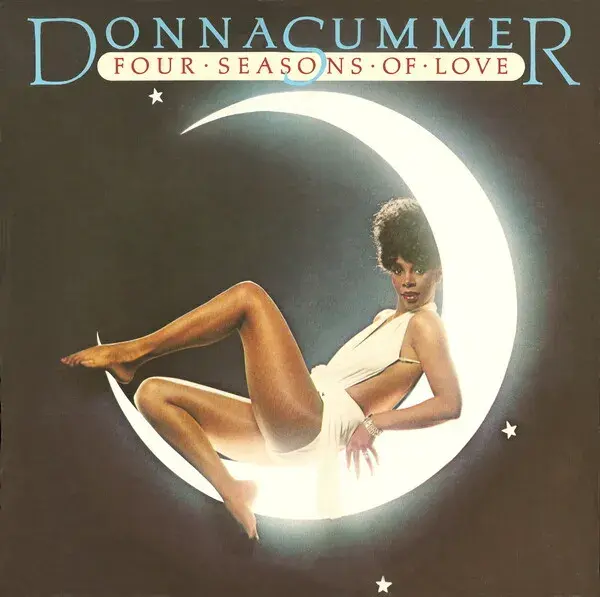
Disco has gone through a lot in the past half-century, from being the most popular music on the planet to being reviled by the rockist elite and then coming back around to being beloved again by a cohort of revivalist pop stars from the 90s to now. However, one critique that has always stuck to it through all that time is that disco is infuriatingly simple music. All you need is a four on the floor drum beat and you’ve got it all figured out. This album is my go-to recommendation for anyone who says disco isn’t high art. It sees the queen of the medium, Donna Summer, and her brilliant co-conspirator Giorgio Moroder deliver a tight, effortlessly beautiful song cycle akin to the works of classical composers and the most ambitious pop artisans like Paul McCartney and Brian Wilson. Much like Vivaldi’s similarly named symphony, Summer and Moroder craft an elegiac soulful trip through seasonal motifs underscored by a spirited funky rhythm section. It’s a classical, almost baroque take on disco which sees the duo hone their specific breathy sexy brand of disco they’d pioneered on Summer’s previous smashes like “Love to Love You Baby” and “Try Me, I Know We Can Make It”.
Instead of one side-length epic we get four luxurious grooves, one for each season which let Donna’s signature coo float sweetly above the tightly orchestrated marriage of baroque strings and horns and the fatback disco funk of the rhythm section. The way each of the motifs blend seamlessly into the next is the work of a master arranger, crafting synth-led interludes which make it feel as if you’re listening to a single half hour long symphony. Each track’s seasonal flair comes through in the music with “Spring Affair” sporting a breezy string section while “Summer Fever” has a sweatier horn-heavy groove. The second side gives us the bouncy “Autumn Changes” which features fluttering flutes and a funky synth lead, while the plush “Winter Melody” leads with layers of dreamy keyboards. Lyrically, the album is pretty sparse, but Donna doesn’t need more than a few words to enrapture you and the concept of the seasons changing paralleling the highs and lows of a romantic relationship comes through in her emotive delivery. By the time you loop back around to spring’s brief reprise it feels like the duo has taken you on a real musical journey. This isn’t one of Donna’s most popular works, it features no smash hits, but it remains one of my favorites as it shows the unique synergy between Moroder’s hypnotic arrangements and Donna’s heavenly vocals better than any other project in their shared oeuvre. Truly an album for all seasons.
Top Tracks: "Summer Fever" "Spring Affair" "Winter Melody"
19) Blondie - Blondie (33 minutes, New Wave / Power Pop)

It has become increasingly hard to be able to define the ever elusive genre of new wave, since more often than not any slightly off-kilter 80s band with a predisposition for synthesizers gets lumped into that category. Yet, if we turn the clocks back fifty years, I would argue that on their debut platter, Debbie Harry and company do more than their fair share to lay out what the genre would become over the course of the next decade. If you only know them for their latter day radio smashes it might seem a bit odd that Blondie got their start at CBGB’s, New York’s hip hotbed of alternative music legends like Patti Smith, The Ramones, Talking Heads and Television, because on the surface, they are the least outwardly edgy and weird of these artists. However, with just one listen to their debut, you can see exactly how they fit in with that pedigree of punk rock royalty. At their best, Blondie are the edgiest pop band on the market, and here you get that in spades as Debbie Harry leads the group through a wry set of shimmering, offbeat pop songs. The group’s 60s influence is palpable throughout the record, the backing vocals in particular make some of the tracks sound like they belong on a Shirelles album, When pairing these retro affectations with the gritty power pop guitar licks and fabulous drumming from Chris Stein and Clem Burke respectively, it creates an exhilarating fusion of the past and future of pop rock.
It is truly remarkable how this record perfects the America new wave sound palette before the scene even truly began, the record would fit right in among the best of ‘78 or ‘79, Blondie was truly ahead of the curve. The album’s effervescent blend of girl group pop and surf rock with indie flavoring is something that acts would strive to match for years after. In terms of vocal delivery, nobody does this style better than Debbie Harry, whose deadpan croon sells each song no matter how goofy it may seem, imbuing everything with a signature sultriness along the way. As for the songs themselves, Harry and Stein deliver some absolute classics with the strutting “X Offender”, a hilarious Supremes meets Cheap Trick track about a streetwalker falling in love with her arresting officer and the blisteringly chic “Rip Her to Shreds”, an organ-driven rocker about the viciousness of New York fashion culture. The group’s sense of humor is one of the album’s greatest strengths, with Harry dropping acerbic one liners at every turn and ending the album on a one-two punch of B-movie hilarity with “Kung Fu Girls” and “Attack of the Giant Ants”, which would make for great comedy songs if they didn’t rock so hard. While Blondie would continue to hone their craft and deliver more cornerstones like the masterful Parallel Lines and the genre-spanning Autoamerican, if you want a taste of the band at their most acerbically delightful, throw this one on and listen to the birth of not just a great band, but an entire genre.
Top Tracks: "Rip Her to Shreds" "X Offender" "In the Sun"
18) Get Up Offa That Thing - James Brown (42 minutes, Funk)
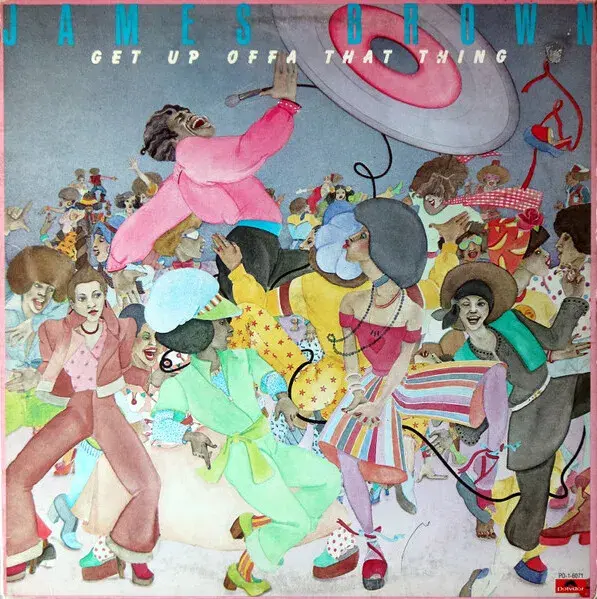
James Brown has earned a lot of superlatives over the years. Known as an innovator, a consummate showman, a brilliant bandleader, the hardest working (and sweatiest) man in show business, and most importantly The Godfather of Soul, but many would also call him a singles artist. His brand of hard driving funk vamps tend to scorch for a song, but for a whole album they tend to run out of steam, or in the case of much of his 60s work, he’d recycle the same handful of songs to pad out endless contractual obligation records. Personally, I’d say all of these arguments fly out the window the moment you throw this record on the turntable, as it is one of the most all-killer, no-filler slabs of funk you can find in anybody’s catalog, Brown doesn’t let up for a single moment and it is exhilarating. This is far from his only good album, but in a sense it would be his last classic before the wave of disco fully overcame him and relegated him to the R&B backburner until his solid, but not quite brilliant late 80s comeback via Rocky IV. James Brown thrives in a live environment, where he can vamp and improvise over his band’s crackling licks, and this, like much of his best work, feels like the best of both worlds. I’d call this a live-in studio LP, where it’s a no frills concert in the booth, like he’s laying it down for you and only you.
The J.B’s are on absolute fire throughout the album, delivering punchy horn work, chicken grease guitar licks and some hair-raising bass lines allowing each groove to not just lock in, but wallop you with its sheer force of funkiness. Brown soars over top scatting out choruses and ad-libs like his life depends on it, you can practically hear the sweat flying off his brow. The main attraction here is the behemoth title track, a nine minute slab of mountainous funk that has just enough of a disco slickness to become his last huge radio smash. As he implores you to dance til you feel better, if you’re still sitting down you might be bereft of a soul, this is some seismic ass shaking funk. He doesn’t let up a single second with songs like “I Refuse to Lose” and “This Feeling” packing a hardnosed punch, never once overstaying their welcome in their lengthy runtimes. He slows it down for two soulful ballads, one per side, and he flexes his immense vocal chops over the sizzling organ, proving that he’s not just a high energy maestro but a true blue soul man. For these forty-two minutes it’s impossible to not have the time of your life, it goes by like five minutes and you can’t help but wanna throw the record back on again and again. While it may lack the ambition of his Blaxploitation masterworks The Payback and Hell, or the deathless energy of his countless classic live records, this has always been my JB of choice, because it’s so damn fun. Pure, uncut funk that’s not for the faint of heart.
Top Tracks: "Get Up Offa That Thing / Release That Pressure" "I Refuse to Lose" "Can't Take It With You"
17) Harvest for the World - The Isley Brothers (36 minutes, Smooth Soul / Funk)
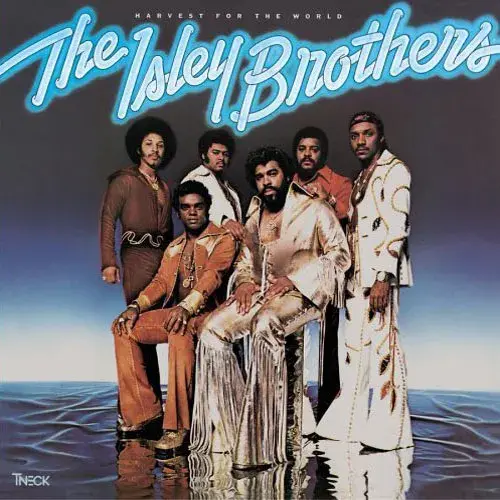
The Isley Brothers were on an artistic high after their brilliant album, The Heat Is On, their third as a sextet and first to comprise all original material. The group keeps that momentum going with this album, a smoother, sultrier offering that also has a lot more to say lyrically than anything they’d done before. While the group had flirted with political commentary before on songs like “Fight the Power”, this album is split down the middle between hopeful yet charged songs about the state of the world and pillowy love ballads all delivered by Ronald Isley’s once in a generation voice. The strongest material in my book is the harder driving political tracks, which showcase Ernie Isley’s fuzzy funk guitar licks paired with the group’s idyllic lyrics about spreading the wealth and the joy, best exemplified on the shimmering, summery title song, one of their all time best tracks. Elsewhere, the band delivers groove after groove, with some truly knockout bass lines over which Ronald lays down some fiery performances, moving away from his trademark falsetto and getting grittier than ever. That’s not the say the dreamy R&B ballads are of a lesser quality, in fact many of them are highlights, especially the gorgeous “(At Your Best) You Are Love” where the group delivers a soft acoustic backdrop alongside Chris Jasper’s twinkling keys over which Ronald delivers what could be considered his most sincere, moving performance. The group’s musical chemistry has rarely been matched on record, with the album’s summertime warmth radiating through every single track and mastering the middle ground between pure hardnosed funk and soft balladry that only The Isleys and EWF could really master. While this isn’t quite up to the ultimate classic status as either album that bookends it, this is still well worth a spin on a warm spring afternoon, and it truly is a testament to the genius of the Isley’s 70’s canon that an album this good can be considered a slightly lesser moment.
Top Tracks: "Harvest for the World" "(At Your Best) You Are Love" "Who Loves You Better"
16) Ramones - Ramones (28 minutes, Punk-Rock)
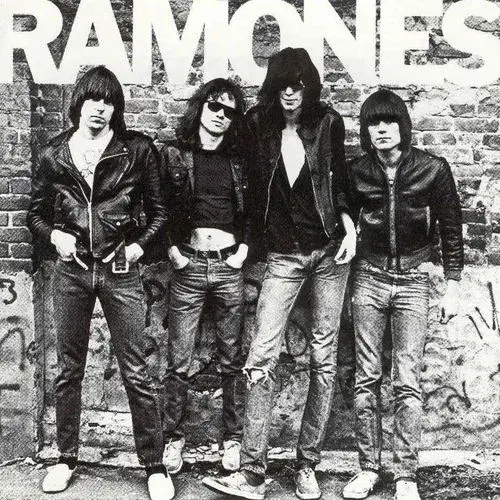
What defines punk? Countless debates have been had on this topic, about whether it’s only the musical stylings or the lyrical concerns or something else all together. In many cases it’s one of those “I know it when I hear it" things. However, my personal definition of punk rock, it all boils down to a ferocious, relentless, driving energy at the center of the music. If you asked me for my archetypal example of punk rock, I’d direct you straight to this album. The self-titled debut from the New York mop-tops is 28 minutes of pure, unadulterated teenage fury. This isn’t complicated music in any sense of the word. It’s pretty much just a wall of fuzzy, ugly guitar over the rhythm section’s surf rock adjacent assault all while Joey Ramone shouts in his borderline unintelligible slurring voice about sniffing glue, beating up assholes and being your boyfriend. This may not sound all that heavy to our modern ears, but in 1976 this was borderline scary in its full-on garage rock assault, it’s not metal, but it’s something even scarier: teenage angst.
It’s hard to single out what exactly works so well here, since it is the barest bones meat and potatoes approach to this garage-y punk style that still persists to this day. It truly is the blueprint for fifty years of a movement, but in a way it still sounds relatively modern. For all the innovations of the past half-century, the Ramones are still the purest distillation of the American punk ethos I’ve ever encountered. All it’s missing is some political commentary, but that was never the Ramones bag. Instead these songs are quite funny in their brutal, violent simplicity. Tracks like “Loudmouth” and “Beat on the Brat” present a goofy, cartoon violence that pairs excellently with the muscular guitar sound. It’s hard to find a group that came out as fully formed as The Ramones. Everything is in place from their blend of raw garage fury with surf rock and girl group influences in their rhythm section and backing vocals, they wouldn’t ever really change after this, and hell would you want them to? I sure wouldn’t. When your first album’s opening track is as good as “Blitzkrieg Bop”, a two minute punk screed that has informed generations in its chants of “Hey Ho Let’s Go”, you’ve struck gold. The Ramones deliver on that song’s promise for a blistering, joyful half hour of what rock truly is at its core. It sounds like a bunch of kids in the garage, and it remains an all time classic for that reason. Punk will never outgrow The Ramones.
Top Tracks: "Blitzkrieg Bop" "Beat on the Brat" "Havana Affair" "I Wanna Be Your Boyfriend"
15) A Trick of the Tail - Genesis (51 minutes, Progressive Rock)
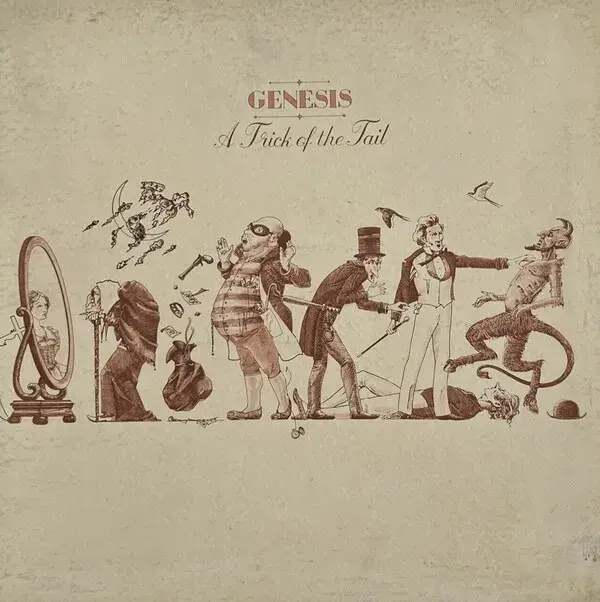
Usually, when a band loses not just their lead singer, but arguably their creative visionary, it is a death blow that is nearly impossible to recover from. So when after their long-winded yet occasionally brilliant, double concept album The Lamb Lies Down On Broadway, Genesis frontman Peter Gabriel abandoned the group, many thought the band would never be able to rebound. Instead, the band, reduced to a foursome and now led by their unassuming drummer Phil Collins, would churn out what could arguably be called the best record of their progressive rock period. A Trick of the Tail is a series of eight wildly creative, challenging songs that keep the spirit of Gabriel’s vision alive while adding something entirely new in the process. Where Gabriel’s Genesis was all about theatricality, with his many character voices and album length concepts, here the focus turns towards songcraft in a way it never had before. Due to that, all eight songs here are rock solid, there is no moment of filler. The group also becomes a bit more muscular this time around, with tracks like the brilliant opener “Dance on a Volcano” and the heavy “Squonk” allowing the group to really deliver harder rock than ever. Steve Hackett’s intricate guitar work and Collins’ pulse pounding drums shine brightly throughout.
You’d think that Phil Collins, best known for his work in the pop world, might struggle to perform this sort of material, not as a drummer but as a vocalist, but his more soulful approach works wonders for the material. He lends an earnestness to these songs that Gabriel rarely managed, and he even throws in a bit of cockney theatricality on the showpiece “Robbery, Assault and Battery” for good measure. Collins’ influence is ample here, and best seen in the album closer “Los Endos” which is a fiery blend of heavy prog and jazz fusion drumming, an instrumental delight that absolutely stuns in concert. While the album’s bookending rockers are the chief highlights, the group also excels with softer moments like the dreamy ballads “Ripples” and “Entangled” where Collins’ soft, warm voice shines brightest. Instrumentally speaking, I’m not sure a better Genesis record exists. This truly feels like the work of a tight foursome, a band in complete lockstep with one another laying down classic after classic. After their next album Wind & Wuthering, Steve Hackett would depart the group, leaving the remaining trio to skirt the line between prog rock and 80s pop rock before becoming chart conquering MTV darlings by the middle of the decade. They were still Genesis in name, but I’d argue that they became a different (but still great) band all together. Overall, this is a brilliant send-off to the Genesis of old before diving into the new frontier of prog-pop they would pioneer in the ensuing decade. I’ve always been an unabashed Collins man, and if you ask me, this is early Genesis at their absolute best.
Top Tracks: "Dance on a Volcano" "Squonk" "Ripples" "A Trick of the Tail"
14) Arrival - ABBA (33 minutes, Euro-Pop)
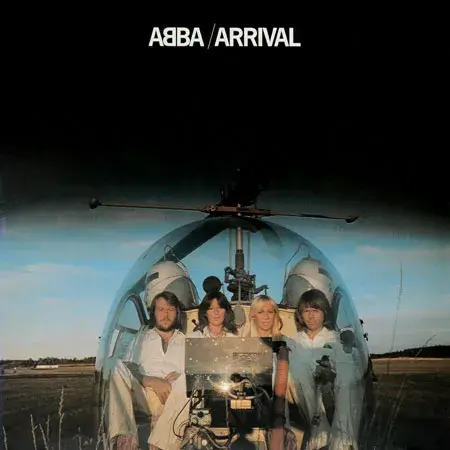
ABBA is usually considered to be the quintessential singles band, one where all you really need is a good compilation and you wouldn’t be missing out on any of their gems. However, if you’re a fan of top shelf pop music, I’d argue you’d be missing out on a hell of a lot. Case in point is this album, which features a treasure trove of fabulously catchy melodies and joyful performances. On this, the group’s fourth album, they finally put it all together for a full LP length for the first time. On their three previous records there were flashes of brilliance, usually in the form of the smash singles, but they were padded by weak genre pastiches and dated music hall tunes. Here Benny Andersson and Bjorn Ulvaeus never let up in the songwriting department, laying down hit after hit in their signature bright, technicolor pop style. The album’s defining moment, and the band’s signature song “Dancing Queen” is of course the centerpiece here, a fabulous slice of dance pop which blends classic pop songwriting with a hint of burgeoning disco flavor without ever fully morphing into disco. The song is timeless in a way few can be, it sports that bouncy four on the floor rhythm that can get anyone moving, but there’s something wistful and melancholic about the glistening piano keys and sweeping string arrangements. Of course the vocals of Agnetha Faltskog and Anni-Frid Lyngstad are peerless in their pristine harmonies and crystalline innocence. It’s hard to put the magic of “Dancing Queen” into words, it’s just one of those special songs that defies description. It’s what pop should sound like.
“Dancing Queen” is far from the album’s only treasure though, or even it’s only hit. The group flexes their experimental muscles on the Brechtian showtune “Money, Money, Money” with its minor key flourishes and pointed lyrics about greed. There’s also the swaying pop-rock of “Knowing Me, Knowing You”, a guitar-led ballad which packs a hell of a singalong chorus amidst all of its newly divorced melancholy. So many songs here feel like they were poised to become hits as well, like the shimmering candyfloss rocker “When I Kissed the Teacher”, which in spite of its suspect lyrics is an absolute earworm; or the sweeping, grandiose torch song “My Love, My Life” which sees the girls lay down a nuanced, beautiful performance, or the swinging dance-rocker “That’s Me”, that has what might be the album’s most potent chorus hook, which on this album, is truly saying something. Over the course of ten tracks, ABBA refuses to play it safe, they never deliver the same sort of song, it’s ten wildly distinct flavors of the classic ABBA sound. The throughline is that hooks rarely come more potent and you’ll be humming just about every song from this record for a week after just one listen. Not every single song hits, namely “Dum Dum Diddle” which feels like a leftover from an earlier album and the instrumental title track makes you wish they made room for “Fernando”, but when the record kicks into gear, it’s absolutely peerless. Every time it’s over, I can’t help but want to throw it on again and keep on singing along, and isn’t that what pop music is all about?
Top Tracks: "Dancing Queen" "Knowing Me, Knowing You" "When I Kissed the Teacher" "That's Me"
13) I Want You - Marvin Gaye (38 minutes, Smooth Soul / Funk)
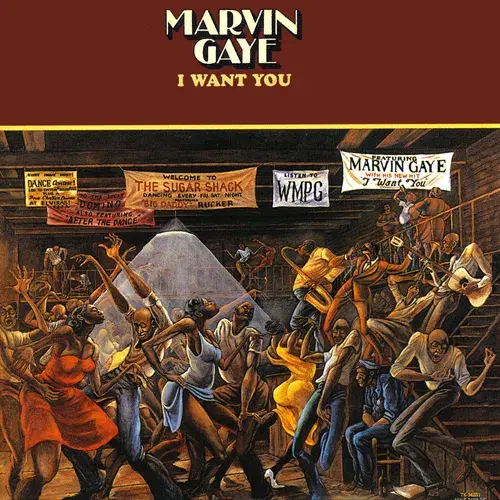
Marvin Gaye’s artistry is defined by the struggle between the righteous and holy and the temptations of the flesh. On this, his much anticipated follow up to the masterful Let’s Get It On, Gaye doubles down on his most hedonistic, romantic impulses by making what can more or less be seen as a forty minute bedroom groove. Instead of the album being made up of distinct, individual songs, Gaye mostly allows each piece to freely flow into the next, even across album sides, so it all ends up feeling like one plush, gorgeously orchestrated jam. Some moments do stand out, like the effortlessly groovy title track, a slice of sophisticated R&B with twinges of elegant disco. The album is defined by Gaye’s collaboration with the brilliant Leon Ware, who was fresh off of his work with Minnie Riperton and the Average White Band, giving him a huge break into the mainstream. Ware’s orchestrations are truly stunning, using strings to add texture to each piece, underpinning the sultry, mid-tempo funk from the rhythm section.
The entire album sounds like a fit of romantic ecstasy (sometimes made a bit too literal with the female moans that crop up now and again), but it’s not just the arrangements that make the album, Gaye’s vocals are absolutely to die for. The way he switches so effortlessly between his crystalline, faultless falsetto and his smooth, sexy tenor is undeniably impressive. He weaves his way through each song with melody lines that feel like instrumental riffs themselves. Rarely does it sound like he’s the main focus, he’s just one element of his remarkably sexy grooves. Of course the album opening title song is the one everyone knows, and it is the standout here. It is one of the only pieces that is as good standing alone as it does within the album’s greater context due to its more traditional pop song structure, as well as Gaye’s soaring, impassioned vocals, but I’d argue the album’s sultry, strutting closer “After the Dance” is nearly its equal. Other delights include the funky workout “Come Live with Me Angel”, the album’s lengthiest jam or the one-two punch of raw sensuality that is “Since I Had You” and “Soon I’ll Be Loving You Again”, some stunningly sexy performances underpin the plush, romantic grooves. It’s hard to class this in the same league as his two undeniable masterpieces What’s Going On and Let’s Get It On, which are two of the greatest R&B albums of any era, but taken on its own merits, this album is a true masterstroke of arranging and showcases why Marvin is such a once in a generation, enigmatic vocalist. Disco rarely comes more sophisticated, or more beautiful.
Top Tracks: "I Want You" "After the Dance" "Come Live with Me Angel" "Since I Had You"
12) Night Moves - Bob Seger & The Silver Bullet Band (36 minutes, Heartland Rock)
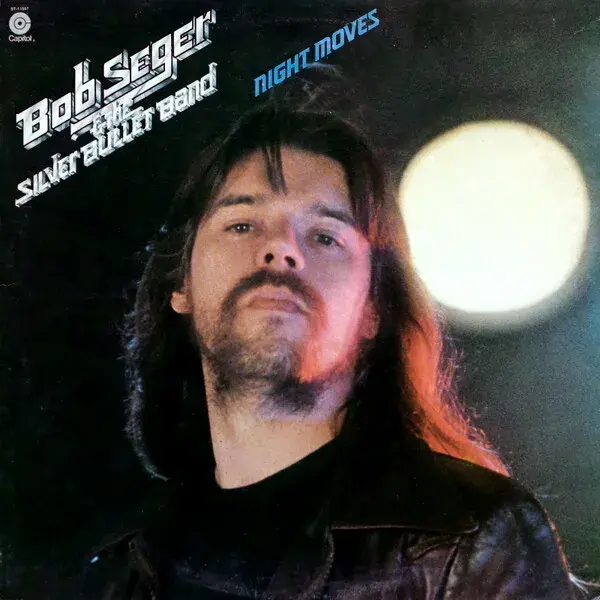
When it comes to classic heartland rock ‘n’ roll the big names are usually seen as Bruce Springsteen and Tom Petty, two absolute titans of that warm, Midwestern rock sound. However, I’d argue more so than either of them, the act that truly represents the best that the heartland offers is the relatively unassuming Bob Seger. He lacks the widescreen cinematic approach of Springsteen’s best material or the edge of Petty’s, but that’s what makes him such a champion of that warm, earthy Midwestern sound. His style radiates an everyman quality that is rarely captured in great rock music. These songs feel lived in and experienced in a way that’s rare. The album itself is a coming out party for Seger, who had spent the past decade as a local legend in Detroit, but never breaking out into the American mainstream. With this album he was able to enrapture the public for the first time, namely due to the title track, which is a bewitching slice of songwriting detailing Seger’s youth and early romantic foibles. It is a deeply relatable, earnest song about the awkwardness of teenage romance and sexuality, and he delivers it with his trademark howling, passionate voice telling the story in vivid, painterly detail. Musically, it’s a groovy, almost Van Morrison styled ballad, complete with a gospel-tinged backing choir, but its magic lies in how he can turn the banal into the cinematic. Songs like this aren’t easy to find, and it signifies what Bob does best. The closest companion to “Night Moves” is the B-Side’s signature tune, the gorgeous nocturnal ballad “Mainstreet”, underpinned by a stirring guitar figure over which Bob sings about falling in love with a table dancer but being too nervous to approach her. His voice is gentle and calm, delivering the ballad with a soft pathos unlike anything else on the record.
While these calmer moments are the stunning outliers, much of the album sees Bob and his Silver Bullet Band laying down some fiery rockers like the boogeying bar band number “Rock and Roll Never Forgets”, a testament to never outgrowing the music that you love or the stinging groove of “The Fire Down Below” a vicious guitar-driven cut about lust and temptation brought on by the Detroit nightlife; not to mention the downright nasty funk of “Come to Poppa”. You can feel him push himself harder than ever before, in both his impassioned vocal performances and his songwriting, as this was more or less his last chance to break out before being dropped by his label. That fire under his ass led him and his band to craft their masterpiece, a slice of gritty, Detroit-bred classic rock that can’t help but touch your soul every once in a while. Bob Seger might not be larger than life like certain rock icons, but I propose that he deserves his place in the annals of rock history, because no one embodies the spirit of rock quite like he does, a relatively unassuming guy who becomes a superhero once he finds himself behind the microphone. Rock and Roll never forgot about Bob, and nor should you. Just plain great rock music.
Top Tracks: "Mainstreet" "Night Moves" "Rock and Roll Never Forgets" "Come to Poppa"
11) Radio Ethiopia - Patti Smith (41 minutes, Punk / Art Rock)
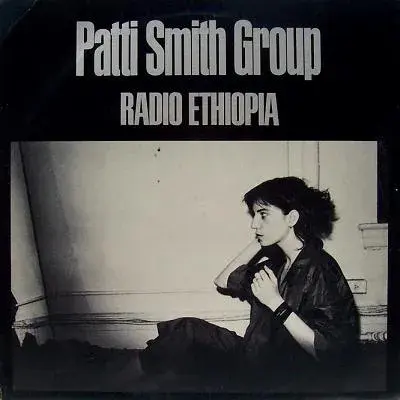
Patti Smith’s sophomore album had a lot to live up to considering that her electrifying debut Horses can more or less be credited as inventing punk rock, albeit in her own very distinctive manner. While this isn’t quite as immediately arresting as Horses, it is a true grower, one which reveals its ample, nuanced treasures over time. The magic of Horses lay in the way Smith was able to pair her lyrical, obscure poetry with the harsh, immediacy of her garage rock backing instrumentals, creating a stirring contrast that did so much to highlight her brilliant lyrics and one of a kind keening vocals, but here Smith makes you work a little harder for your gratification. As opposed to the charmingly ramshackle instrumentation of her previous work, the band, here credited as the Patti Smith Group, deliver more complex rhythms and art-rock inflected guitar licks which make the album’s longer tracks feel progressive, not just in their spirit and lyrics, but in music as well. The guitar work in particular matches Patti’s own lyrical quality, with the leads weaving in and out of the rhythm section with a slithering ease. The album doesn’t fully let go of its punk roots with songs like the anthemic “Pumping” and the raucous opener “Ask the Angels” packing a biting punch.
However, the album truly comes alive in its softer moments like the plaintive, heartrending piano ballad “Pissing in a River”, which sees Patti deliver her most raw vocal performance yet building from a faint whisper to a belligerent battle cry over its four minute run time. The album's unique identity in Patti's canon is best exemplified by the off-kilter "Distant Fingers", a song unlike anything else in her catalog, yet still so very Patti, where she delivers a warped, sci-fi love song to her alien partner over an insistent, almost funky bass line. There's a sense of exploration and discovery that makes this one of her most thrilling listens, while still flirting with the more pop-friendly style she'd embrace on songs like "Because the Night" on her next two albums. Patti’s ability to push the boundaries is most evident on the ten minute monster “Radio Ethiopia” a hard driving racket of fuzzy, piercing guitar, layers upon layers of pounding toms and her sometimes unintelligible screams of passion making for a dizzying, overwhelming listen before closing with the brief, woozy comedown of “Abyssinia”. Some might call it pure noise, but to me it feels like raw, unbridled musical catharsis, a screaming totem of punk rock mythology in a way only Patti could muster. You would think after the cult success of her debut, the edges that made her so radical would have been sanded down, but on the contrary, this is an uglier, more vicious album in many respects, it is a doubling down on the attitude of Horses while adding in new musical layers at every turn. Not every moment here is as revelatory as her debut, but when it hits it lands knockout punches. One of punk rock’s great sequels and perhaps Patti at her peak, as a musical firebrand. Not much comes rawer, and I’m not sure I’d want anything to.
Top Tracks: "Pissing in a River" "Distant Fingers" "Ask the Angels" "Pumping (In My Heart)"
10) 2112 - Rush (38 minutes, Progressive Rock)
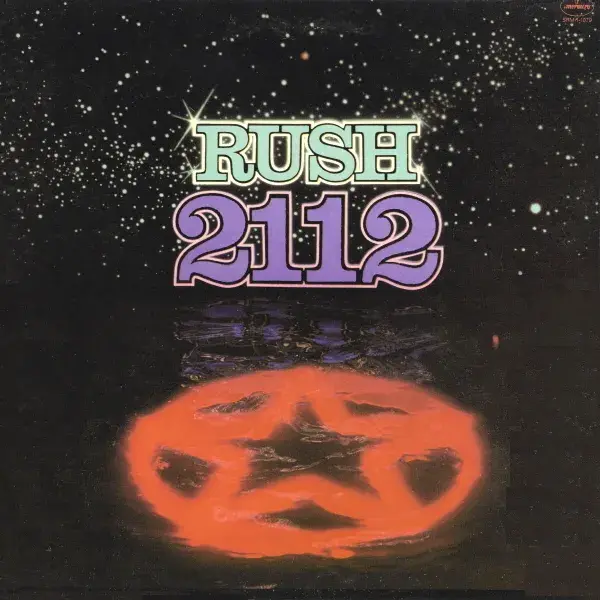
When you think of a rock opera what first springs to mind? The high drama and theatricality of Pink Floyd’s The Wall? Or perhaps the bombast of The Who’s Tommy? Maybe even a less narratively-driven piece like Bowie’s Ziggy Stardust? Even a modern classic of the genre like Green Day’s American Idiot or My Chemical Romance’s bleak opus The Black Parade? While these are widely considered to be the canon highpoints of the genre, they tend to evade where the rock opera really shined most brightly, and most frequently, in the realm of tried and true, dyed in the wool prog-rock like that performed by Canada’s nerdiest export, Rush. After their first three albums, which were mainly comprised of briefer, more meat and potatoes rock tracks replete with their signature high fantasy lyrics, on 2112, the trio took a giant leap forwards compositionally, allowing themselves to be more ambitious than ever, particularly on the titular “2112 Suite”, a twenty minute prog-rock epic which spans the album’s entire A-side. The track is expansive like all the best prog, but it also gives us a simple narrative to follow, which sees Geddy Lee’s individualist protagonist revolting against the technocratic hegemonic overlords of the future via some truly badass guitar solos. It sounds silly, but when it’s delivered with such passion and gravitas you can’t help but get wrapped up in how bombastic and adventurous it sounds. It truly is a sci-fi epic for the ages, as the trio of Alex Lifeson, Geddy Lee and Neal Peart deliver twenty minutes of blistering, driving rock music over which Lee delivers his signature piercing wails of revolution. The song is a technical marvel, weaving through disparate sections with a relative ease, each time signature shift, each new groove feels distinct while maintaining a melodic throughline that makes sure you never feel the need to skip a single second of the action. As the song comes to its tragic conclusion which sees the protagonist take his own life as his last means of rebellion against the hegemony you can’t help but feel that you’ve just listened to the best sci-fi movie to never make it to the silver screen.
The group’s musicianship has rarely sounded better, Rush had finally worked out all the kinks of their early records and are working in complete lockstep, with Lifeson’s searing guitar licks stealing the show at every opportunity. While most of the attention always goes towards the revolutionary A-side suite, the B-side, comprising five briefer cuts, is certainly nothing to look past. These songs show the band working in a poppier, more accessible mode that foreshadows their early-80s crossover success, with immediately catchy riffs and choruses which would elevate any classic rock record. While the spirited “Something for Nothing” and the dated yet fun “A Passage to Bangkok” deliver more traditional rockers, the group also slows it down with the moving ballad “Tears”, an acoustic led showcase for Lee’s unique, emotive vocals, which in my estimation ranks among their strongest songs. While Rush would continue growing more and more ambitious and putting out consistently strong projects through the mid-80s, it’s hard to deny the power of their first of many masterpieces. There’s a youthful imaginative quality here that makes it one of their easiest records to fall in love with. I’m sure in the year 2112 this album will still absolutely rock.
Top Tracks: "2112" "Tears" "Something from Nothing"
9) Spirit - Earth, Wind & Fire (36 minutes, Smooth Soul / Jazz-Funk)
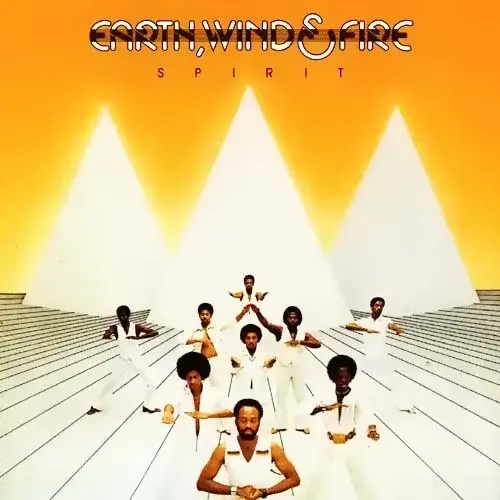
There’s always been a strong lineage between R&B and spirituality, namely due to the genre’s roots in the church through gospel music, but rarely do the two meld outside of the realm of pure gospel as well as they do on this record. Sonically, Maurice White and company don’t deviate too far from the winning formula they nailed down on their previous album That’s the Way of the World which saw the group perfect their uniquely soulful cocktail of R&B, funk and jazz. This album leans away from the extended, jazzier solos of their earlier work and instead locks in on absolutely airtight funk grooves and airy, soaring gospel balladry. The album’s strongest player is the legendary Verdine White, whose bass playing across every track is the core of the group’s effortlessly groovy sound palette. The way he is able to slither and wend his way through each track, laying down slabs of spirited funk with a lighter touch than someone like Bootsy Collins is remarkable. He gives even the funkiest, heaviest tracks here a real light, airy feel that allowed EWF to always feel different from the era’s more traditional funksters. Vocally, the twin flames of Maurice White and Phillip Bailey are in complete lockstep, with the two trading lines between White’s soulful, silky tenor and Bailey’s soaring, glistening falsetto belts to create their signature, stirring harmonies which never fail to stun me, no matter how many times I listen. The album is pretty evenly split between the upbeat funk tracks and the lush, smooth ballads.
Earth, Wind & Fire open the album with an irresistible one-two punch of funk with the bouncy, percussive “Getaway”, one of their finest tracks which showcases the rhythm section’s immaculate sense of groove better than any other, and the horn-heavy midtempo stomp of “On Your Face”, a sweaty, tightly wound groove which has some of the best backing vocals I’ve ever heard on record. Elsewhere, the group delivers snappy synth-driven sizzler “Saturday Nite”, which should have been one of their biggest hits, and shows that EWF could go toe-to-toe with P-Funk when it comes to low-slung funky party songs. On the flip side, the group demonstrates their more spiritually minded side on the ballads, which are silky smooth and as beautiful as ever. The group’s blending of more new age spiritual practices with Christianity makes the album feel spiritual without ever coming off as overbearing, and its message of love and acceptance is beyond timeless. The album’s ballads are the showpieces, allowing Phillip Bailey to deliver his signature vocal acrobatics over the plush, keyboard-driven arrangements, the best of which is the soaring “Imagination”, though the slow-grooving self-titled “Earth, Wind & Fire” allows Maurice to really show off his earthy lower register just as impressively. All together, this album sometimes gets forgotten in between the breakout smash That’s the Way of the World and their ultimate masterwork All ‘n’ All, but I’d argue this deserves an equal place in their catalog. When you want some funk that’s truly good for the soul, you can’t go wrong with this platter.
Top Tracks: "Getaway" "Saturday Nite" "On Your Face" "Imagination"
8) A Day at the Races - Queen (44 minutes, Hard Rock / Symphonic Pop)
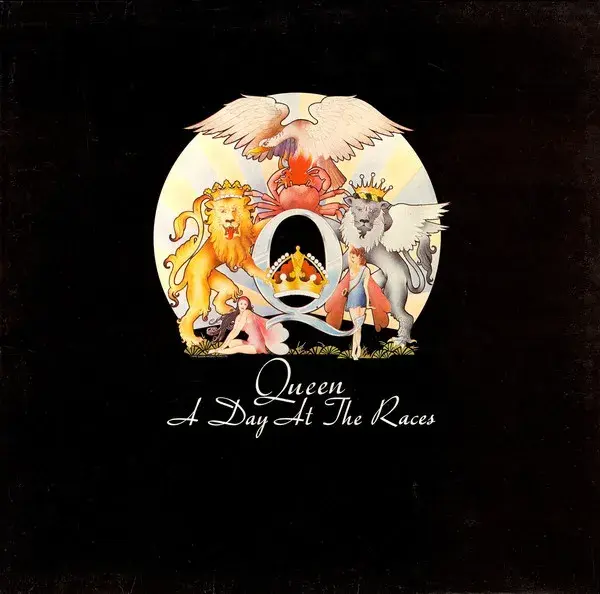
How do you go about following up an album as titanically successful and artistically defining as A Night at the Opera? Well, if you’re Queen, you make a sequel, down to the very album title (a coy nod to the Marx Brothers, whose own “Day at the Races” was a sequel to their “Night at the Opera”). Often sequels fall short of the big shoes of their predecessors, but here Queen blows past that thought from the first moment, when the thundering rock ‘n’ roll stampede “Tie Your Mother Down” kicks into gear. If A Night at the Opera was Queen perfected, then A Day at the Races is Queen at their most blissfully maximalist. This is Queen turned up to eleven, for better or worse, and in my book, not much could be better. The quartet have rarely sounded mightier than they do on this album, with Brian May’s flashy guitar solos stealing the spotlight at every opportunity, while Freddie Mercury’s soaring, emotive tenor delivers some of his strongest performances. Similar to their previous outing, all four musicians contributed to the songwriting with a majority of the album being split between May’s more traditional rock fare and Mercury’s bombastic theatrical anthems. The rhythm section delivers two gems of their own, with bassist John Deacon’s spirited pop song “You and I” and drummer Roger Taylor’s proto-shoegaze ballad “Drowse” showing off two very different sides of the band. Brian May’s material continues to veer further away from the progressive rock that defined the earliest Queen records, and instead goes straight for the jugular with pulse pounding rock riffage. For instance, there’s the chugging classic rocker “Tie Your Mother Down” and “White Man”, a searing anti-colonialist critique of British settlers that verges on heavy metal. May also flexes his pop muscles with the joyful Beatlesque “Long Away”, his lone vocal spotlight, and the tear-jerking singalong ballad “Teo Torriatte”, which closes the album on a triumphant note. The song is a love letter to their dedicated Japanese fanbase, sung half in English and half in Japanese.
For the most part though, the album’s immense sense of grandeur comes from the Mercury penned tracks, each of which positively drips with bombast and theatricality. He expands on the music hall pastiches that populated A Night at the Opera in brief 90 second increments, turning them into the full-fledged masterpiece of campy pop ecstasy, “Good Old Fashioned Lover Boy”, a song that’s as kooky and infectious as they come. Mercury’s inherent silliness bleeds into even the more ambitious cuts, like the stunning “The Millionaire Waltz”, a baroque twist on the “Bohemian Rhapsody” formula. Yet, he also turns in some truly heartfelt pieces like the stark piano ballad, “You Take My Breath Away”, a glassy, heart-rending number drenched in luxurious vocal harmonies. The album’s centerpiece is the explosive, gospel powerhouse “Somebody to Love”. This song is so endlessly powerful, no matter how many times you listen, that it is hard to put into words. The pure palpable emotion coming through each layer of harmony, the gospel fervor of Mercury’s unparalleled lead vocal, the scorching May guitar solo and the deep soulfulness of the lyric makes for a profoundly moving listen. While some may see this album as reveling in its excesses, I can only see it as a celebration of all the pomp and circumstance that makes Queen so damn lovable in the first place. Rarely are sequels better than the original, but to me, this is a veritable equal to the majestic A Night at the Opera. Too much love might kill you, but there’s no such thing as too much Queen.
Top Tracks: "Somebody to Love" "Good Old-Fashioned Lover Boy" "Long Away" "Tie Your Mother Down"
7) Hejira - Joni Mitchell (51 minutes, Singer-Songwriter / Jazz-Rock)
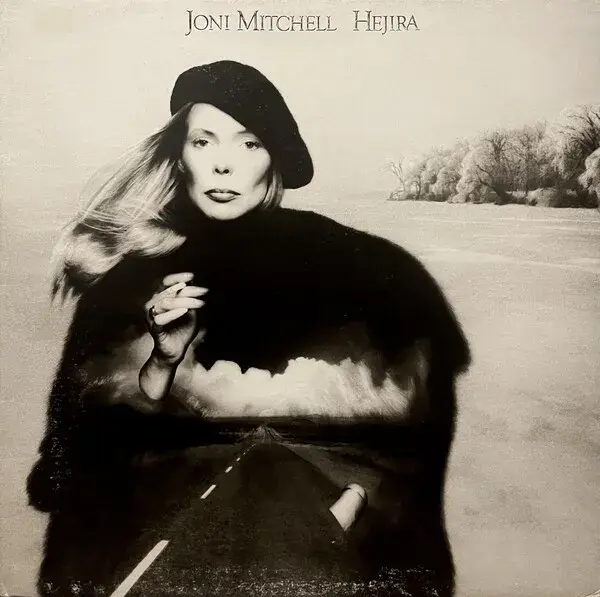
Some artists are never content to stay in one place for too long. Sometimes what that looks like is genre experiment after genre experiment, trying to lose themselves in the conventions of a new medium, but for some artists, it is constantly bringing in new elements to their existing sound palette. Joni Mitchell is one of those latter artists, who, no matter what new sound palette she chooses to experiment with, can never be mistaken for anyone else. Mainly, that can be attributed to her unmatched lyrical skill, painting textured, gorgeously nuanced portraits of her characters and stories, or her voice, which rings out with crystalline elegance like a jazz flute. There is a certain musicality that ties all of her work together, a lyrical compositional style that always compliments her words perfectly. On this record, Joni continues down the road she began in 1974 with Court and Spark, blending her signature singer-songwriter style with burgeoning jazz fusion textures. However, where her previous two albums were a bit bolder and brassier, with horn arrangements, this is perhaps her subtlest album yet, radiating a dry desert-like heat across its nine songs.
The album title itself means journey or pilgrimage in Arabic, and this album can best be described as a sonic travelogue, each song sounds as if it’s being spun as if you are looking out the window on a long drive or happen to be trekking through a sweaty desert afternoon. The dry soundscapes pair beautifully with Joni’s warm, cooing vocals which always add an element of homeliness to her bleakest works. Musically Joni enlists two jazz legends to give a sense of texture and depth to the arrangements, with the guitar of Larry Carlton and the fretless, lyrical bass from Jaco Pastorius allowing the album to sound incredibly distinct from her earlier work. These arrangements have a sense of sparseness to them that very little music plays around with, these are arid soundscapes which give focus usually to just one or two musical motifs. This style allows Pastorius to really shine, creating endless melodic counterpoints for Joni’s vocals. On many of the tracks, the two play as sort of duet partners. This brand of jazz is not light and airy, it’s heavier, feeling more weathered than any of her previous work. This is the sound of a woman who has honed her craft to a flawless degree, but that perfection seems to weigh heavily on her shoulders. Lyrically, Joni has rarely been more evocative, namely due to the extended length of many of these songs. She doesn’t contain herself to traditional pop structures anymore, instead these are eight and nine minute tone poems, many of them entirely lacking choruses and instead focusing on telling intimate, powerful stories. Joni’s eye is on the road, a theme that ties all of her songs together writing in striking detail about falling in love with errant hitchhikers, run-ins with ornery blue legends and musings on the dissolution of her recent relationship and trying to outrun her feelings that her best years have past by already. The album’s strongest piece is the gorgeous "Amelia" where Joni ties her own perilous emotional journey into the tragedy of the late Amelia Earhart. While this record may lack the immediate nature of Court and Spark or the rawness of her confessional masterpiece Blue, it’s nearly impossible to find fault with this album. If you’ve got a long stretch of road ahead of you, throw this on one and discover a truly revelatory hour of songwriting.
Top Tracks: "Amelia" "Coyote" "Hejira" "Refuge of the Roads"
6) Turnstiles - Billy Joel (36 minutes, Piano-Rock / Singer-Songwriter)
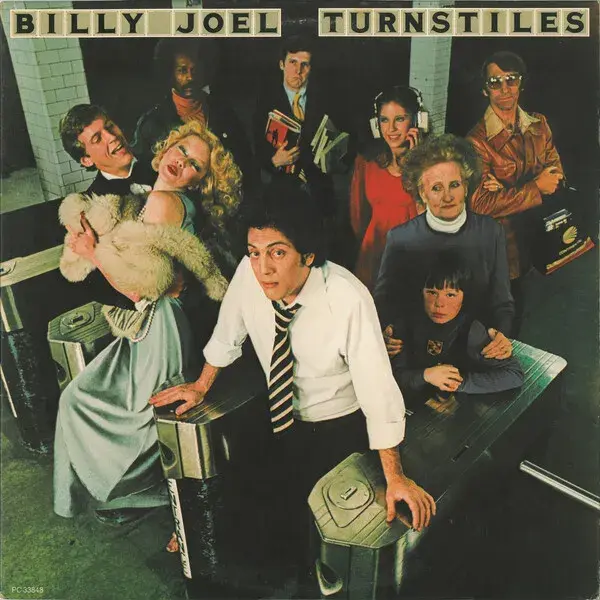
Great artists often have two distinct breakthroughs in their career. There’s the commercial breakthrough, where they finally gain the mainstream attention they deserve, and there’s also the artistic breakthrough, the record where they are finally able to put all the pieces together and nail down their signature sound. Billy Joel’s fourth album is one of the greatest examples of an artistic breakthrough I have ever encountered. While a handful of these songs have become retrospective classics (namely due to his excellent 1981 live album Songs from the Attic), not a single song here hit the charts in any fashion. It might surprise you that songs to the magnitude of “Say Goodbye to Hollywood” or “New York State of Mind” were not immediate smashes, but perhaps the world wasn’t ready for the piano man quite yet. After three albums experimenting with the styles of the day, he casts off his most overt influences and finally pinpoints what would become the iconic sound that would define his career. Part of why we get his vision so strongly on this album is that it is the only one in his catalog to be entirely self-produced, allowing the sonic palette to be entirely his own. The record’s iconic cover art sees Joel standing in a New York subway station surrounded by a horde of hokey caricatures, and this album sees him explore each one in a musical vignette. More than ever before, Billy flexes his skillful piano playing across all of the songs, which gives them each a unique sonic identity from the brassy, jazz club intro to “New York State of Mind” to the classically tinged ostinato that begins “Prelude/Angry Young Man”. There is a sense that he’s showing off, but it never feels gratuitous, instead his showmanship is intoxicating. That is all due to Billy’s youthful energy and desire to impress, which makes this album feel distinct from his more cynical and jaded early albums and his more confident and assured follow-ups.
While musically Joel plays around in various genres, from the dreamy soft rock of “James” to the sly cod-reggae of “All You Wanna Do Is Dance” and the Ronettes styled cinematic pop of “Say Goodbye to Hollywood”, the throughline is both his immaculate piano playing and his sharp and witty, yet earnest lyrics which have rarely been better. The lyrical highpoint here is the stunning ballad “Summer, Highland Falls”, which sees Joel expound on the dissolution of a formative romance with a poetic quality and maturity of a much older artist. His melodies have rarely been more infectious, with each song packing a stadium worthy chorus. He was spinning off infectious hooks like a prime Paul McCartney on this, and his following two albums. While the cynicism that defined his previous outing, Streetlife Serenade, has mostly faded, it characterizes the incisive social commentary of “Angry Young Man”, a satirical piece on how your strongly held, righteous beliefs tend to dull with age, as well as the lush ballad “I’ve Loved These Days”, which sees Joel deliver a firmly tongue in cheek pastiche to the excesses of Los Angeles. What allows that cynical edge to work here is that he balances it out with some real sentiment, namely the album’s heart and soul, the modern day standard “New York State of Mind”, a sonic love letter to his hometown that needs no introduction. His Ray Charles influence is obvious here, but he channels it into a song worthy of rivalling Sinatra’s own NYC anthem. He pulls out one final stunner from his bag of tricks to end the album with the ersatz rocker “Miami 2017”, a rare guitar driven piece with sci-fi inflected lyrics about the end of the world. This song is a complete departure from his usual style, but it works marvelously and caps the album off on a triumphant note. This album is jam-packed by a young talent positively bursting at the seams to show you how ready he is for the spotlight. While his follow-up and commercial breakthrough The Stranger, is much more streamlined and cohesive, this might be Billy Joel’s defining record. An explosion of creativity by a superstar on the rise.
Top Tracks: "New York State of Mind" "Summer, Highland Falls" "Prelude/Angry Young Man" "Miami 2017 (I've Seen the Lights Go Out on Broadway)"
5) Hotel California - Eagles (43 minutes, Pop-Rock / Country Rock)

The Eagles are a surprisingly contentious band in this day and age. Perhaps years of overexposure on the radio or one particular exclamation from a Coen Brothers film have made liking California’s soft-rock kings lame. Well, if loving the Eagles makes me lame then lame I must be, because this record remains one of the most consistently enjoyable slabs of AM gold classic rock I have ever encountered. While their earlier work embraced a heavier country influence, here on their fifth album, the California rockers have left most of their roots behind to deliver a classic of west coast rock unencumbered by mandolins and pedal steels. Their embrace of out and out rock had been a long time coming, but with the addition of guitar wizard Joe Walsh to the fold, they were more muscular than ever, which is evident from the opening notes of the title track, one of the most deserving classic rock staples out there. Have we all heard it a few too many times? Probably. Yet, when listening to the entire album, you gain a greater appreciation for just how unlike the rest of their catalog that it is. It’s hard to really write about the title song, as it’s one of those rare few tracks that everyone and their mother already knows, but for good reason. The guitar work on this song is some of the best I’ve ever encountered, each solo is lyrical and soulful while maintaining a fuzzy, rocking edge. From the opening bars, it is clear that Joe Walsh was this band’s missing ingredient. The song’s actual groove takes cues from the funky groove of a reggae number more than a classic country two-step. Lyrically, Don Henley paints a haunting picture of the titular establishment, which functions as a fitting allegory for the seductive but misleading nature of Hollywood fantasy. The entire album is a monument to the emptiness of show-biz living, but no song captures that hopelessness as potently as Henley does in these six magical minutes. This theme runs through the entire album, chronicling a loose story of wannabe stars who come to L.A looking for the good life and either leaving an emotional wreck, a hollowed out version of themselves, or at times in a casket. This makes the album sound rather bleak, but in practice it is a rollercoaster with some dizzying highs which allows the emotional lows to hit hard.
While Don Henley dominates much of the album, some of the strongest moments come from his fellow bandmates, namely Glenn Frey, whose shuffling “New Kid in Town” sports the album’s only real vestige of their country-rock era and sees him weave a tale of how Hollywood big shots are always clamoring for the next big thing. The song is awash in glorious vocal harmonies and provides a softer counterpoint to Henley’s harsher rock songs, like the knockabout groove of “Life in the Fast Lane”, which sees him deliver a sly metaphor for a couple living too hard, replete with both winking laugh lines and scorching Joe Walsh leads. Elsewhere Walsh delivers the soft “Pretty Maids All in a Row” and Randy Meisner gets the album’s most resplendent pop moment, the harmony driven “Try and Love Again”. The album’s emotional core is evident in both of the side closers, first comes the soulful, heartrending “Wasted Time”, a gorgeous string-soaked R&B ballad about the dissolution of a romance and feeling like you’ve left the best years of your life behind. Rarely have the Eagles ever laid down a more nakedly emotional song, and it is an uncharacteristic triumph. The album comes to a dramatic close with the bleak travelogue “The Last Resort”, a chilly ballad about Manifest Destiny and the urbanization of the American west that sees Henley write with such an earnestness and empathy towards the generations of displaced native peoples. While the Eagles have more than a few classic songs to their name, this is their only truly knockout album, as it sees every single band member deliver a cohesive, thoughtful slice of AM rock and roll gold. It may not be cool to like the Eagles, but Hotel California is more than just cool, it’s a veritable hit factory.
Top Tracks: "Hotel California" "Wasted Time" "New Kid in Town" "Life in the Fast Lane" "The Last Resort"
4) The Royal Scam - Steely Dan (41 minutes, Jazz-Rock)
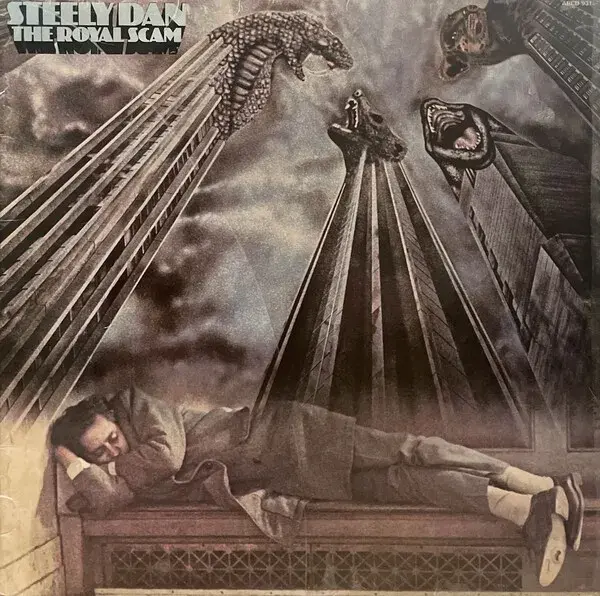
Steely Dan is a band synonymous with wicked cynicism. Their catalog is filled with some of the most witty, acerbic and plainly nihilistic jibes in the history of rock music, but typically their acid tongued lyrics are paired with a plush, groovy jazz-rock backdrop that creates a delicious contrast. However, on their fifth record, the Dan decides to go all in with their most rough-hewn jagged cynicism crafting a record where their funky jazz-rock instrumentals have the same sharp edges as their words. The Dan have always had a truly stacked rolodex of talented instrumentalists to call upon for laying down their deeply complex arrangements, but rarely have they assembled a stronger group than they do on this LP. Anchored by the ultra-tight rhythm section of Chuck Rainey and Bernard Purdie, the only two musicians other than Becker and Fagen who play on every single cut. Their immaculate sense of groove and funk underpins each song with liquid bass licks and the signature Purdie shuffle keeping the album moving at a jazzy clip. This is the Dan at their funkiest, with songs like the humorous groover “The Fez”, a sly paean to contraceptives, and the irresistibly guitar-driven scorcher “Green Earrings” coming as close to straight up funk-rock as the band ever would. These songs are less structured than their usual work, vamping the same licks over which their guitarist of choice lays down dizzying solo after solo. It’s a rarity on a Steely Dan record to have songs like those, but they become mid-album highlights nonetheless. Speaking of guitarists, this is the Steely Dan album to pick up if you’re looking for guitar solos, as nearly every song but the somber piano-driven title track sports at least one fuzzed out slice of guitar wizardry. Each guitarist brings their own flavor to the proceedings from the talkbox funk of Dean Parks on “Haitian Divorce” to the jazzy licks of Elliott Randall on “Sign In Stranger”, but the album’s true breakout star is the inimitable Larry Carlton, whose hardnosed fuzzy riffage characterizes the album’s most immediate and rocking moments. His solos on both “Everything You Did” and “Don’t Take Me Alive” are electrifying, but the album’s crowning moment for both guitar solos and overall compositional strength is the knockout opener, “Kid Charlemagne”, a slice of funky jazz-pop underpinned by a restless groove and stinging Carlton riffage. The song sees Fagen deliver the story of the rise and fall of a notorious drug chemist who fell out of the zeitgeist due to the changing tides of the masses. The song is a masterpiece of Becker and Fagen’s sardonic wit, it’s a portrait of an archetypal gentleman loser, as so many of their songs are, but the urgency and sharpness of their punchlines here has rarely been bested.
Elsewhere, the guitar heroics take a backseat to more traditional Dan fare like “The Caves of Altamira”, a luscious horn-driven slice of jazz-pop goodness about a man discovering cave paintings for the first time (classically obscure SD subject matter, of course) or the swinging piano-driven groove of “Sign In Stranger”. “Don’t Take Me Alive” is perhaps the Dan’s most straightforward rock song since their debut album, a guitar-driven tale of a desperate hostage negotiation from the perspective of the criminal on the razor’s edge of sanity. The instrumental attack of the Dan brings out their most acidic lyrics yet, with the album’s closing stretch packing the most punch between the cinematic “Haitian Divorce”, a reggae-inflected story song about a quickie divorce and a child out of wed-lock that would make for an excellent short film and the unsettling “Everything You Did”, a menacing confrontation between unfaithful lovers which packs a hysterical jab at the Eagles along the way. While their previous albums were nothing to sneeze at, this feels like Steely Dan functioning at the peak of their ironic powers, distilling everything great about them into one forty minute knockout punch. It’s hard to believe that they would end up topping this one in merely a year’s time, but that’s Steely Dan for you. Aja will likely always be seen as their defining statement, but for my money, the Dan never got more down, dirty and honest about their cracked worldview than this platter.
Top Tracks: "Kid Charlemagne" "Don't Take Me Alive" "Haitian Divorce" "The Caves of Altamira" "The Fez"
A New World Record - Electric Light Orchestra (36 minutes, Symphonic Pop / Pop-Rock)
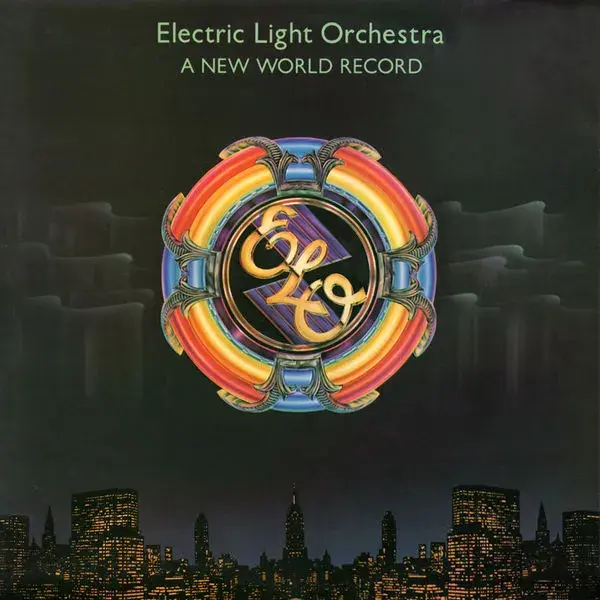
If you asked any one of The Beatles about who the inheritors of their melodic genius was, the first answer you would get would likely be ELO, the “classical” rockers who dominated the mid to late 70s with their brand of hooky symphonic pop rock, and on this, their sixth album they would create a record so jam-packed with memorable melodies that it could stand toe to toe against any classic Fab Four project. The pop mastermind behind these songs, Jeff Lynne, had written excellent pop songs before, with both the song cycle Eldorado and the upbeat Face the Music containing some true stunners, but on this album, he is able to fuse some truly exhilarating, ambitious classical orchestrations with his strongest set of melodies yet. The record opens with the deliriously bouncy “Tightrope”, which after a cinematic, ominous string-drenched intro turns into a bright harmony laden jaunt creating an incredible counterpoint to the stinging, almost psychedelic orchestral passages. It is the ideal fusion of a symphony and a pop song, going from choral to radio ready at the drop of a dime without ever feeling awkward or forced.
There’s a magical, easy quality to the songwriting on this album, as if Lynne can lift ten tons like it's a feather. Music like this shouldn’t work, it’s a gimmicky concept, but with such a deft songwriting hand guiding these arrangements, you can’t help but be taken up in the grandiose, gorgeous symphonies of hooks. The album’s most obvious mission statement is the delightfully, charmingly on the nose “Rockaria!” which blends an actual operatic aria with Lynne’s 50s boogie rock backing arrangement telling the story of a forbidden love story that culminates in a raucous jam session taking over the local opera house. There’s a naive optimism in a song like that which makes fusing these two disparate artforms feel almost inevitable, and that it comes off as well as it does is a testament to Lynne’s artistry. Who else could possibly fuse Verdi and Berry so effortlessly? While much of the album, like the dreamy yet strutting “Livin’ Thing”, a life-affirming pop delight, the bouncy groover “So Fine” with its downright funky breakdown or the hard rocking, anthemic “Do Ya”, revel in their upbeat rock arrangements, many of the album’s most striking moments are the dramatic, string laden ballads. The heart of the album is the gentle, heartbroken “Telephone Line”, with a melody line so moving that it feels like Lennon/McCartney had to have had a hand in its creation. The way the arrangement swells from the quiet, moody verses which parallel the singer’s halfhearted voicemails into its swaying, anthemic choruses complete with a wall of vocal sound that would make Queen jealous crafts an impactful emotional journey. Every single detail in the arrangement from the way the song opens with a synth mimicking the USA ringback tone to the faint digital filter on Lynne’s vocals show his master craftsmanship. The album closer “Shangri-La” is very much its equal in impact and detail, the song beginning as a dreamy, hazy ballad before becoming an epic sprawling anthem that packs in walls of harmonies, a gently psychedelic guitar solo and ends with a swell of a refrain about fading out “like The Beatles on ‘Hey Jude’” as the album fades out. It’s just one more small detail that showcases exactly why Jeff Lynne is one of pop’s most pristine architects. Each and every note has been perfectly placed and arranged for maximum melodic punch, and it makes for a thrilling, joyful listen. Lynne creates sonic worlds on each album, and out of his vast catalog, this is the album I always find myself looking to get lost in. There are few better testaments to the wonderment that great pop music can create.
Top Tracks: "Telephone Line" "Shangri-La" "Livin' Thing" "Do Ya" "Tightrope"
Station to Station - David Bowie (38 minutes, Art Rock / Funk-Rock)
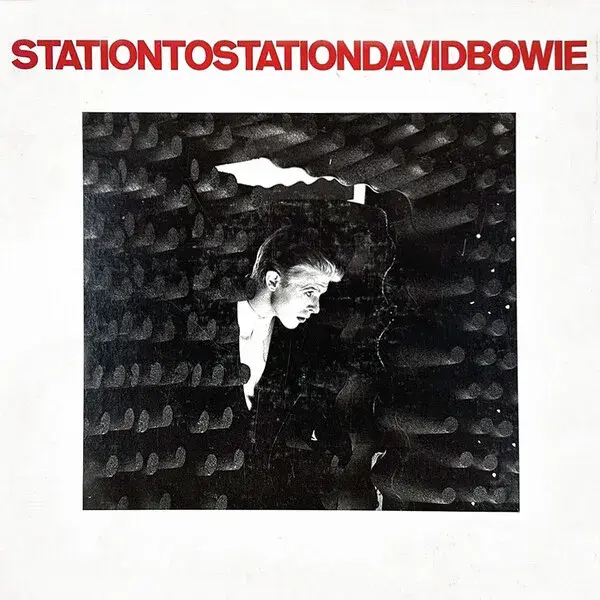
Sometimes transitional albums are awkward, leading to greater things in the future but not much to write home about on their own, but when it comes to David Bowie in the 70s, he seemed incapable of putting out anything less than stellar, even in his most transitional moments. This album sees Bowie caught in between the R&B and funk influences on his last record, Young Americans and the icy, synth-driven ambient textures that would define the upcoming Berlin trilogy albums. You would think it would be near impossible to fuse those two sounds, but on this record he creates a claustrophobic world of plastic krautfunk that no one else dared to explore. The clinical coldness on this album comes directly from his chameleonic character during this era, the Thin White Duke, a deeply sinister character brought on by his heavy drug use. Bowie during this era wasn’t afraid of controversy, in fact that almost fascistic aesthetic seeps into the music within, this is some of the coldest, most synthetic funk-rock you’ll ever encounter. You can hear the cogs whirring on the title song, a mechanical dirge-like groove over which Bowie proclaims the return of the Thin White Duke plodding forward like soldiers trudging into battle. It’s a stark reversal from the almost gospel tinges found on his previous album, but here he subverts everything that traditional funk and soul is about and crafts an entirely unique aesthetic, blending P-Funk with Kraftwerk in a cacophony of mechanical bass licks and stately piano riffs. The monstrous ten minute title track goes from its stark opening into a veritable rave-up in its closing moments, finding the heart and soul in even the bleakest of musical landscapes.
The album’s theatricality, a signature of Bowie, is found in every song, but especially the raucous “TVC15”, which starts as a boozy piano boogie before morphing into an ersatz rock groove replete with howling saxophone that would go on to inspire many a new wave band in the coming years. His manic energy over the rollicking rhythm section sees him bouncing off the proverbial walls as he sings the inscrutable, coked out lyrics about his television consuming his girlfriend. If that doesn’t express the tone of this album, nothing will. Funkily speaking, Bowie delivers two of his most sizzling grooves with “Stay”, a heavy rocker that sees his guitarist Carlos Alomar really let loose, as well as the album’s smash single “Golden Years”, a chilly goose-stepping disco number about living it up even as your world is crashing down around you, a slick metaphor for this period in his life. The song sizzles along with a cracking rhythm section and some slinky riffs courtesy of Alomar, he croons his an inebriated soul man in his deeply charismatic way. The closest the record comes to genuine emotion as the two ballads, the spiritually desperate gospel tune “Word of a Wing”, and the gut-punching album closer, his cover of Nina Simone’s “Wild Is the Wind”, which he transforms into a spaced out torch song, over which he delivers one of his most moving, pained vocal performances. You can hear him screaming out for human connection to help him out of this downward spiral, and it is positively haunting. After this album, he would soon retreat to Berlin to get clean and stay away from public life, and in doing so he would record some of his best music, but there is something positively infectious about this album. It captures an artist fully getting lost in character, unable to find out the Duke ends and he begins. Bowie was truly a generational chameleon, but for once you see the master lose himself on stage, and it results in some of his most visceral, engaging and lasting art. A tragic masterpiece from a rock icon.
Top Tracks: "Golden Years" "TVC15" "Station to Station" "Wild Is the Wind"
Songs in the Key of Life - Stevie Wonder (1 hour and 44 minutes, R&B / Soul)
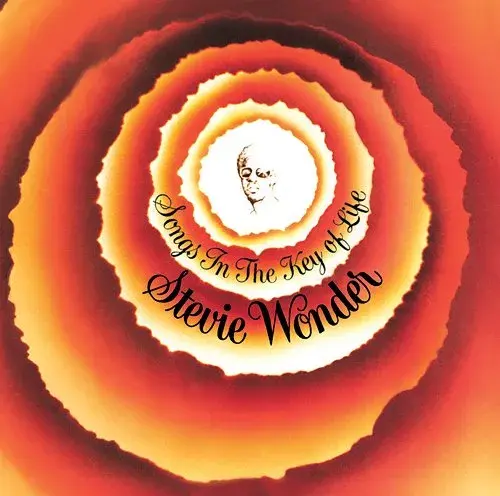
Is there a more universally beloved artist than Stevie Wonder? It’s hard to argue against it. His music radiates an effervescent joy that can turn even the staunchest nonbelievers into converts. If there’s one album in his vast catalog that exemplifies the sheer magic of Stevie Wonder, it is his sprawling double album opus Songs in the Key of Life, a veritable explosion of creativity, one final burst to close out his acclaimed genius period. Wonder had already delivered four stone cold classics in a row starting with Music of My Mind, but this project somehow is able to top them all, not only due to its sheer scope but also with its brilliant sense of melody. Every single track here sports at least three or four killer hooks which will stay with you for a lifetime afterwards. I find myself humming bits of each of these songs out of the blue all the time, they are just written so well. Speaking of scope, Wonder’s brand of R&B has always been influenced by many different genres and styles, and on this album that’s more evident than ever with him expanding outwards from just funk, soul, pop and gospel into the realm of straight-up jazz fusion (the Steely Dan-esque instrumental “Contusion”) to classically tinged synth-pop (the haunting “Village Ghetto Land”) and even slight touches of scorching funk-rock (the electrified “All Day Sucker”).
The addition of both jazz-fusion grooves and classical motifs give the album a distinct identity from all the greatness that came before, as no other album in his catalog could feature a song like “Pastime Paradise”, an urgent string-driven groove which anticipates hip-hop in many ways (as evidenced by “Gangsta’s Paradise” wholesale sampling of it) or “If It’s Magic”, a gentle harp driven ballad, sounding like a 90s Disney theme that never was. Double albums are typically awash with experimentation, but rarely does an artist have the ability to make every single one of their diversions sound so much like it has always been a part of their sound. You can tell from moment one that each of these tracks is a Stevie Wonder original from the bouncy Clavinet to the gorgeous, warm vocals. He has a way of stamping his signature on every composition. The album is very aptly titled, as each of these songs dives deep into the human experience, you could call it a loose concept album about love. Wonder’s music has always been highly emotional, but here his feelings truly jump off the turntable and leave you breathless. Whether it be the utter joy and pride in the birth of his young daughter (the iconic, harmonica driven “Isn’t She Lovely”) to the heartache of romantic rejection (the transformative “Ordinary Pain” which segues from a pleading ballad into a sizzling funk stomper), you can connect with every single moment here, as these are such basic human experiences, but they have never been more accurately or joyfully expressed in music. Due to the album’s length, he has time to stretch out and let some of the strongest grooves linger and build to dizzying climaxes in a way that a single LP experience would rarely allow for. These longer songs are some of the album’s strongest moments like the gorgeous, harmonically plush gospel opener “Love’s in Need of Love Today”, the hard-driving funk of “Black Man”, a politically motivated jam for the ages, or the jazzy Latin flair of “Another Star”. The longer songs pair beautifully with the shorter pop gems, which show that Wonder has never lost sight of the charts amidst all his experimentation. The nostalgia-drenched pop-funk of “I Wish” and the jazzy horn-driven vamp of “Sir Duke”, a lovely tribute to his jazz heroes, are perhaps his two strongest singles ever (and for Wonder that’s a high, high bar). The album’s ultimate climax point is “As”, which can be considered the high watermark of Wonder’s career, a driving soulful song about the endless power of love. The song builds and builds with layers of backing vocals and Wonder’s own ferocious, growling gospel fervor. It starts as a soft ballad and by the end of its titanic seven minutes you feel as if you’ve been hit with a tsunami of emotion. In other hands, an album like this might be an overwhelming experience, under Stevie’s capable stewardship, the album’s radical ecstasy always hits just right. For most artists, you would tire after a dizzying twenty one tracks, but with Stevie you always want to throw it back on and start the soulful journey all over again. And that’s the enduring magic of Stevie Wonder, he can so clearly distill the highs and lows of living this crazy life, but you always come away with joy. You must acknowledge the pain along the way, but in his worldview joy and love always triumph. That’s the message of Songs in the Key of Life, and it’s one I try to live my life by every single day.
Top Tracks: "As" "Love's in Need of Love Today" "Sir Duke" "Another Star" "I Wish" "Isn't She Lovely" "Knocks Me Off My Feet" "Ordinary Pain"
And there you have it folks, those are my 20 favorite albums of 1976. Give these albums their flowers, cause fifty years on they have lost a bit of their shine. The Top Twenty of 1986 is coming soon. Let me know below if there's anything you think I missed, or any thoughts of your own on these brilliant projects and as always, happy listening!


It’s staggering to think of how many significant albums were released that year. The variety of artists many of whom are in the Rock Hall is mind blowing, too.
Your thoughtful analysis and insight into each album and artist is helpful in understanding the context of these works so many years ago. Thanks for recognizing Steely Dan as one of our favorites.
I’m a little worried about a potential drop off in 1986. I was fifteen then and in high school, so my dirt bag teens was in full force. You will probably overlook those artists, properly. Thanks for your thoughtful writing and deep appreciation for this work.
What an incredible group of music! Such a wide array of styles but all so pivotal. I know some of my all time favorites are on this list—Genesis, EWF, Eagles, but I think in a tough call I will have to give my vote to Stevie! All time classics! Thanks for sharing.